They Thought It Was A Harmless “Starfish”… But What Happened Next Left Everyone Shocked
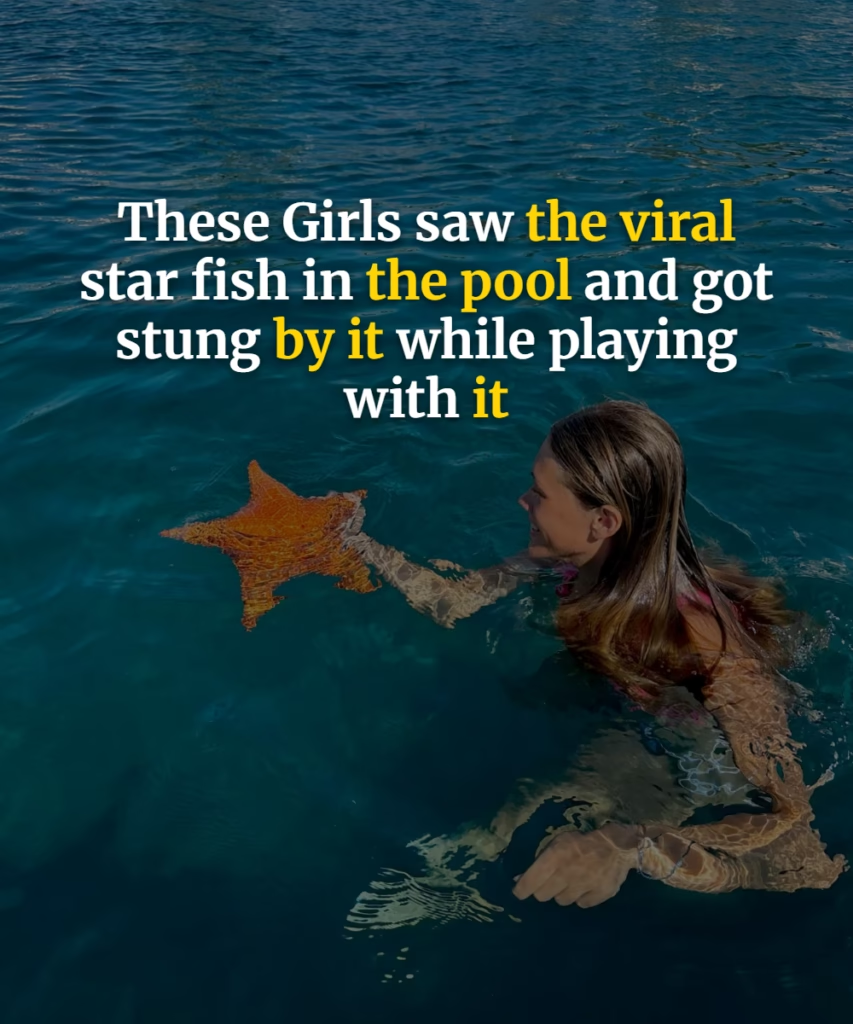
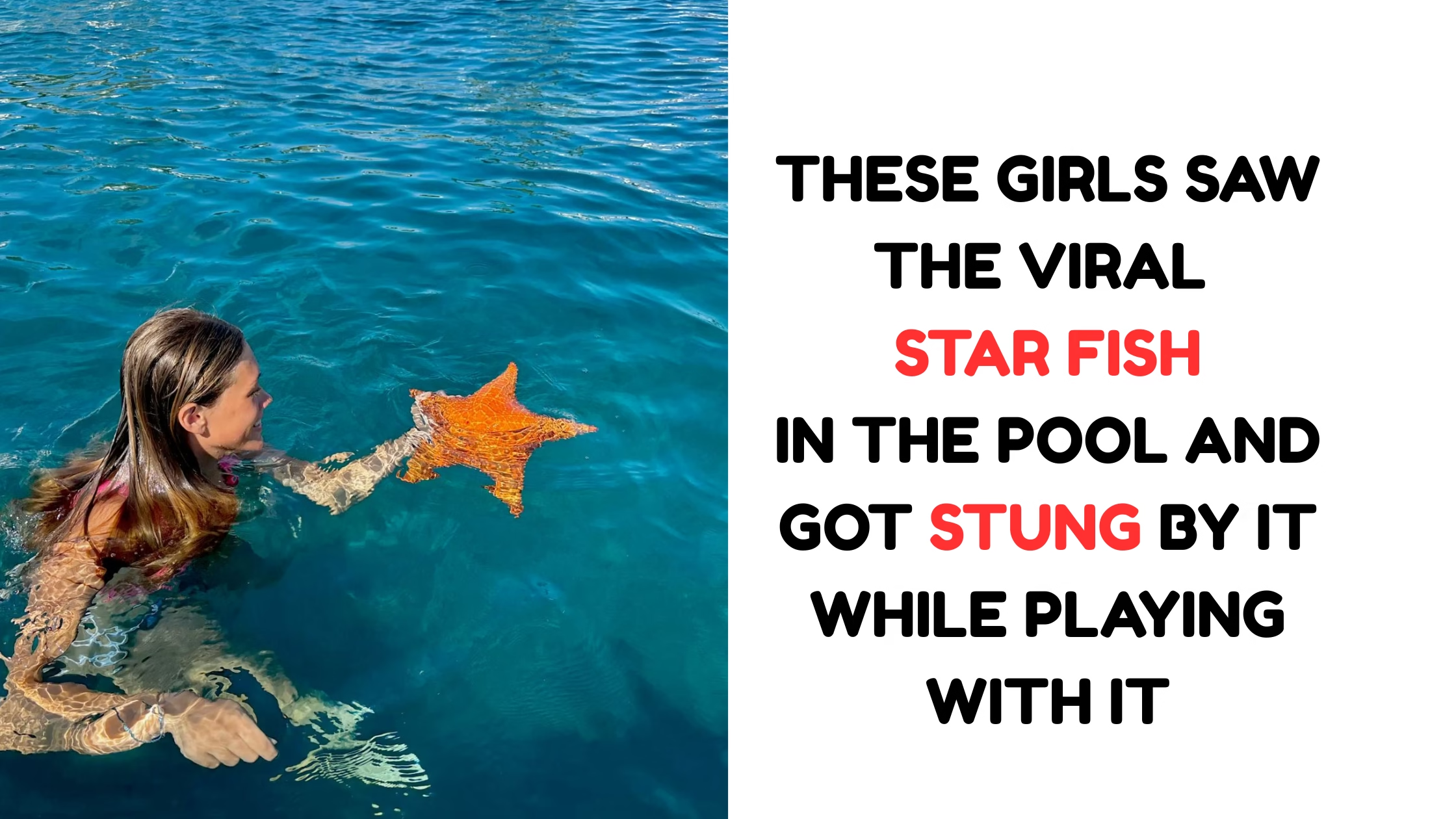
A relaxing day at the water turned into an unexpected and painful lesson for a group of young women after they encountered what they believed was a harmless starfish. What started as a fun moment quickly became a viral cautionary tale about the importance of respecting marine life and understanding that not every sea creature is as harmless as it looks.

Source: Pinterest
In recent years, social media has played a major role in shaping how people interact with nature. From colorful coral reefs to adorable sea creatures, the internet has made the ocean seem like an exciting playground full of photogenic wildlife. But as this incident shows, curiosity combined with misinformation can sometimes lead to unpleasant and even dangerous situations.
A Viral Marine Mystery
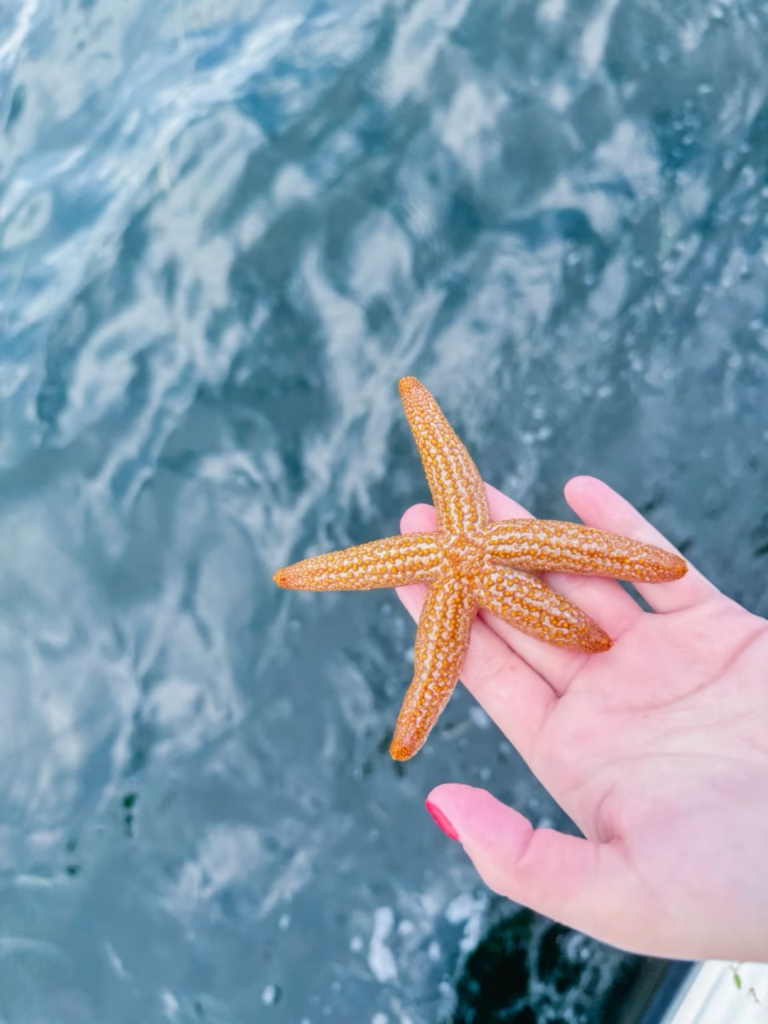
The story began when swimmers noticed a strange star-shaped creature in a swimming area. Photos and short clips of the creature quickly spread online, sparking curiosity among people visiting the location. Many believed it was simply a starfish, also known as a sea star — a marine animal that is often seen as harmless and even fascinating.
Because of this perception, some swimmers were eager to get a closer look.
Among them was a group of young women enjoying time near the water. Curious and excited by the unusual sight, they approached the creature while playing in the shallow area. What they didn’t realize at the time was that not all star-shaped sea animals are safe to touch.
What happened next surprised everyone.
The Painful Encounter
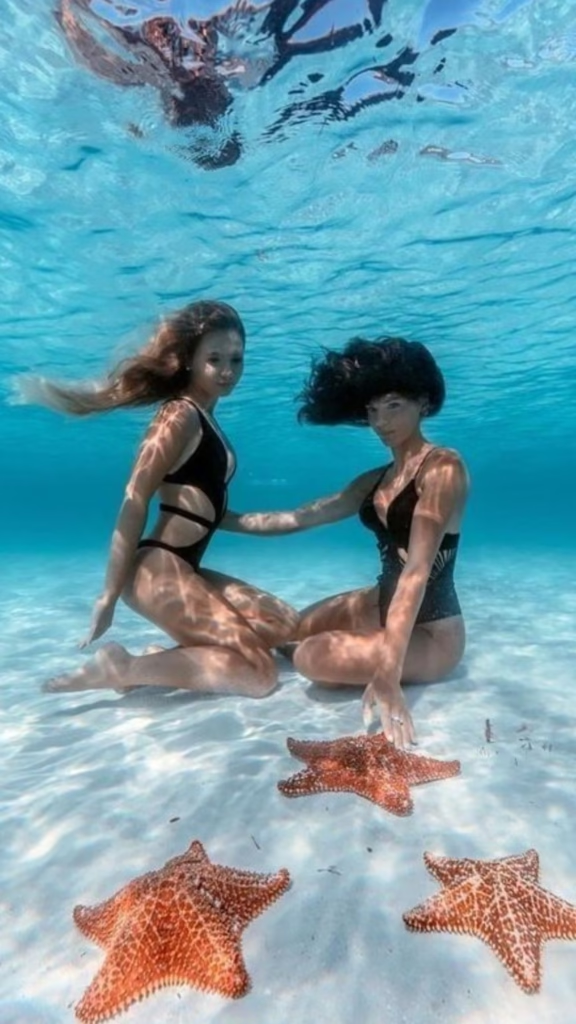
According to reports, the moment the group made contact with the creature, they felt a sudden, painful sting. What had seemed like a harmless interaction instantly turned into a distressing experience.
Source: Pinterset
The swimmers quickly realized something was wrong. The sensation was described as sharp and irritating, causing immediate discomfort and alarm.
People nearby rushed to help while others warned swimmers to stay away from the area.
The incident quickly became the focus of discussion both locally and online. Many people were shocked because starfish are widely believed to be harmless. However, marine experts soon stepped in to clarify an important detail that many people overlook.
Not every star-shaped sea creature is actually a harmless starfish.
The Truth About Star-Shaped Sea Creatures
The ocean is home to thousands of fascinating species, many of which share similar shapes or appearances. Star-shaped marine animals are a great example of how appearances can be misleading.
While many true starfish species are harmless to humans, some related marine organisms and even certain types of starfish can cause irritation, stings, or toxic reactions when touched.
Marine experts explain that some species possess natural defense mechanisms. These defenses exist to protect them from predators and threats in their natural environment.
These defenses may include:
Toxic secretions
Venomous spines
Irritating skin surfaces
Chemical compounds that trigger burning sensations
When humans handle or disturb these creatures, those defense systems may activate.
And that’s exactly what experts believe happened in this case.
Why Marine Animals Defend Themselves?
From the perspective of marine life, humans entering their environment can appear threatening. Many sea creatures have evolved defense mechanisms to help them survive in a world full of predators.
These natural protections are not meant to harm humans specifically; they simply exist as survival tools.
For example:
Some marine animals release toxins to discourage predators from eating them. Others have sharp spines that inject venom when touched. Some species rely on chemical irritants that cause burning or itching sensations.
To humans, these reactions may seem sudden or aggressive. But in reality, the animal is simply protecting itself.
In many cases, these incidents happen when people unknowingly pick up, poke, or disturb marine life.
And unfortunately, social media trends sometimes encourage exactly that behavior.
When Viral Curiosity Goes Too Far
The internet has made it easier than ever for unusual wildlife sightings to go viral. A strange creature spotted in the ocean can quickly attract attention online, drawing visitors who want to see it for themselves.
While curiosity is natural, experts warn that viral attention can sometimes lead to unsafe situations.
People may approach wildlife without understanding the risks. Others may try to touch animals for photos or videos without realizing the consequences.
This behavior can be dangerous not only for humans but also for the animals themselves.
Wild creatures experience stress when they are handled or disturbed. In some cases, they may be injured or removed from their natural habitat.
That’s why wildlife experts strongly emphasize a simple rule:
Look, but don’t touch.
The Importance of Marine Safety
Aquatic safety specialists stress that swimmers should always be cautious around unfamiliar marine creatures. Even animals that appear harmless can have unexpected defense mechanisms.
When swimming in oceans, lagoons, or coastal areas, experts recommend following several basic safety guidelines.
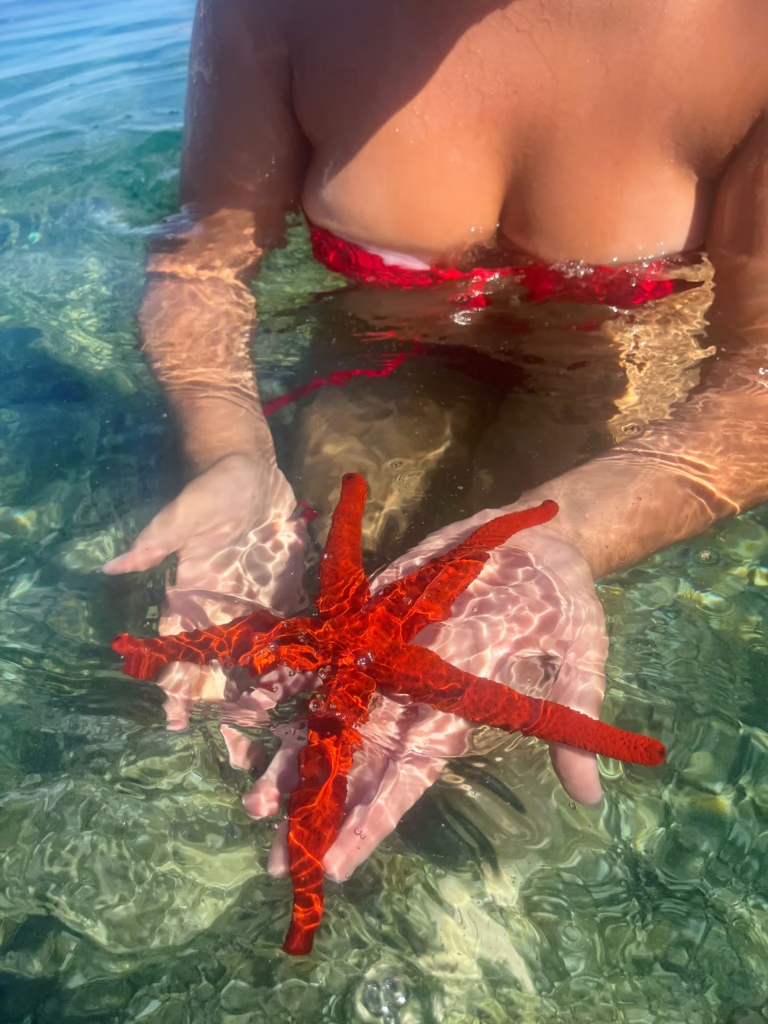
1. Never Touch Unknown Marine Life
If you see a sea creature and you’re not certain it is safe, avoid touching it. Many marine animals have defensive adaptations that can cause injury.
2. Observe From a Distance
The ocean is full of beautiful and fascinating animals. Enjoy observing them — but from a respectful distance that does not disturb their environment.
3. Report Unusual Sightings
If you notice a strange or unfamiliar marine animal in a swimming area, inform lifeguards or local authorities. Trained staff can identify potential risks and ensure swimmer safety.
4. Educate Yourself Before Swimming
Different regions of the world have different marine species. Learning about local wildlife can help you avoid risky encounters.
Social Media vs. Reality
One of the biggest takeaways from this incident is the difference between how wildlife appears online and how it behaves in real life.
On social media, animals are often portrayed as cute, harmless, or interactive. Viral videos sometimes show people handling wildlife without consequences.
But those clips rarely tell the whole story.
In reality, wildlife should always be treated with caution and respect. Animals are unpredictable, especially when they feel threatened.
What looks harmless in a video might not be safe in real life.
Protecting Wildlife and People
Encounters like this highlight the importance of balancing curiosity with responsibility. The ocean is an incredible ecosystem filled with life forms that deserve protection.
When humans respect marine environments, both people and wildlife remain safer.
Touching or disturbing sea creatures can:
Cause injury to humans
Stress or harm the animal
Disrupt delicate ecosystems
Encourage unsafe viral trends
By simply observing rather than interacting, swimmers can enjoy marine life while protecting it.
Lessons From The Incident
Fortunately, the painful encounter served as a learning experience rather than a serious tragedy. The swimmers recovered, but the story quickly spread as a reminder to others.
The incident illustrates several important lessons:
First, appearances can be misleading. Just because an animal looks harmless does not mean it is safe to handle.
Second, viral curiosity should never outweigh safety. Social media trends can encourage risky behavior when people try to recreate popular moments.
And finally, respect for wildlife is essential.
The ocean is not a theme park; it is a natural environment filled with creatures that have evolved unique ways to survive.
A Reminder For Future Swimmers
As more people explore beaches, reefs, and coastal destinations around the world, awareness of marine safety becomes increasingly important.
Every year, thousands of minor injuries occur because swimmers interact with sea creatures without understanding the risks.
Most of these incidents are preventable.
All it takes is patience, caution, and respect for the environment.
When encountering marine wildlife, the safest approach is always the simplest one:
Enjoy the beauty of the ocean, but let its creatures remain undisturbed.
The Bottom Line
What began as a curious moment around a star-shaped sea creature quickly turned into a painful lesson about nature. The incident reminds us that even the most harmless-looking animals can have powerful defense mechanisms.
The ocean is full of incredible wonders, but it also demands respect.
So the next time you spot something unusual in the water, remember this story. Take a photo from a safe distance, admire the moment, and let the creature continue its life undisturbed.
Because sometimes the safest interaction with wildlife… is no interaction at all.